


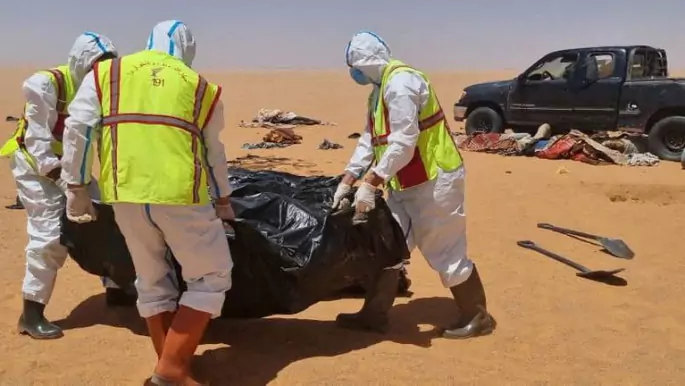
The International Organization for Migration (IOM) has raised serious alarm following the discovery of at least 65 migrants’ bodies in a mass grave in southwest Libya, underscoring the extreme dangers faced by people attempting to cross the country along irregular migration routes toward Europe.
Although the identities and nationalities of the victims have not yet been confirmed, available information suggests they died while being smuggled through the desert, a route widely used by trafficking networks operating across southern Libya. The area has long been known as a major transit point for migrants from sub-Saharan Africa seeking to reach the Mediterranean coast and, ultimately, the European Union.
According to IOM, every report of a missing migrant or confirmed death represents families left in anguish, searching for answers or coping with irreversible loss. The organization warned that the rising number of deaths reflects not only the brutality of smuggling operations, but also the consequences of limited safe and legal migration pathways for people fleeing conflict, poverty, and instability.
This latest tragedy has renewed calls for urgent action to address irregular migration in Libya, particularly through stronger regional cooperation to dismantle smuggling and human trafficking networks. Without coordinated policies that prioritize protection and legal alternatives, experts warn that deaths along desert and Mediterranean routes will continue.
IOM welcomed the investigation launched by Libyan authorities and urged them, in cooperation with United Nations agencies, to ensure the dignified recovery, identification, and repatriation of the victims’ remains. The organization also emphasized the importance of promptly notifying families and providing them with appropriate support.
The incident comes amid a broader migration crisis. Data from the Missing Migrants Project shows that at least 3,129 migrants died or disappeared along the Mediterranean route in 2023, making it the deadliest migration corridor in the world — a figure that does not yet include those found in the newly discovered mass grave.
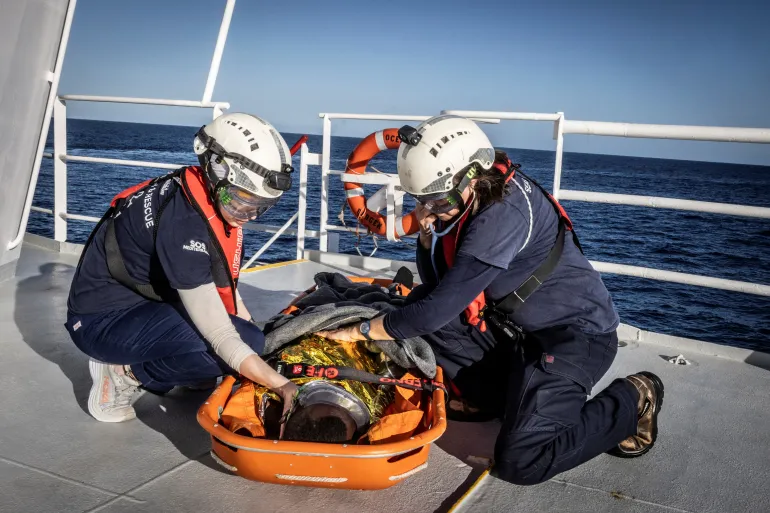
In Libya, IOM continues to deliver humanitarian assistance to vulnerable migrants and displaced people, while supporting life-saving search and rescue operations in desert regions. These efforts include training security and border management personnel on international human rights standards and promoting protection-oriented approaches that prioritize saving lives.
IOM has reiterated its call on Libyan authorities, European governments, and African states along migration routes to strengthen regional cooperation and place migrant protection at the center of migration governance. The organization stressed that safeguarding human life must remain a shared responsibility, regardless of migrants’ legal status or destination.



(0) Comments
(0) Comments waiting moderation
No comments so far. Join the discussion and make your voice heard.
All comments are reviewed before publication to help maintain a safe and respectful environment.